Using 2mm Pencil graphite you can craft up some very cool nature themed pencils with kids.
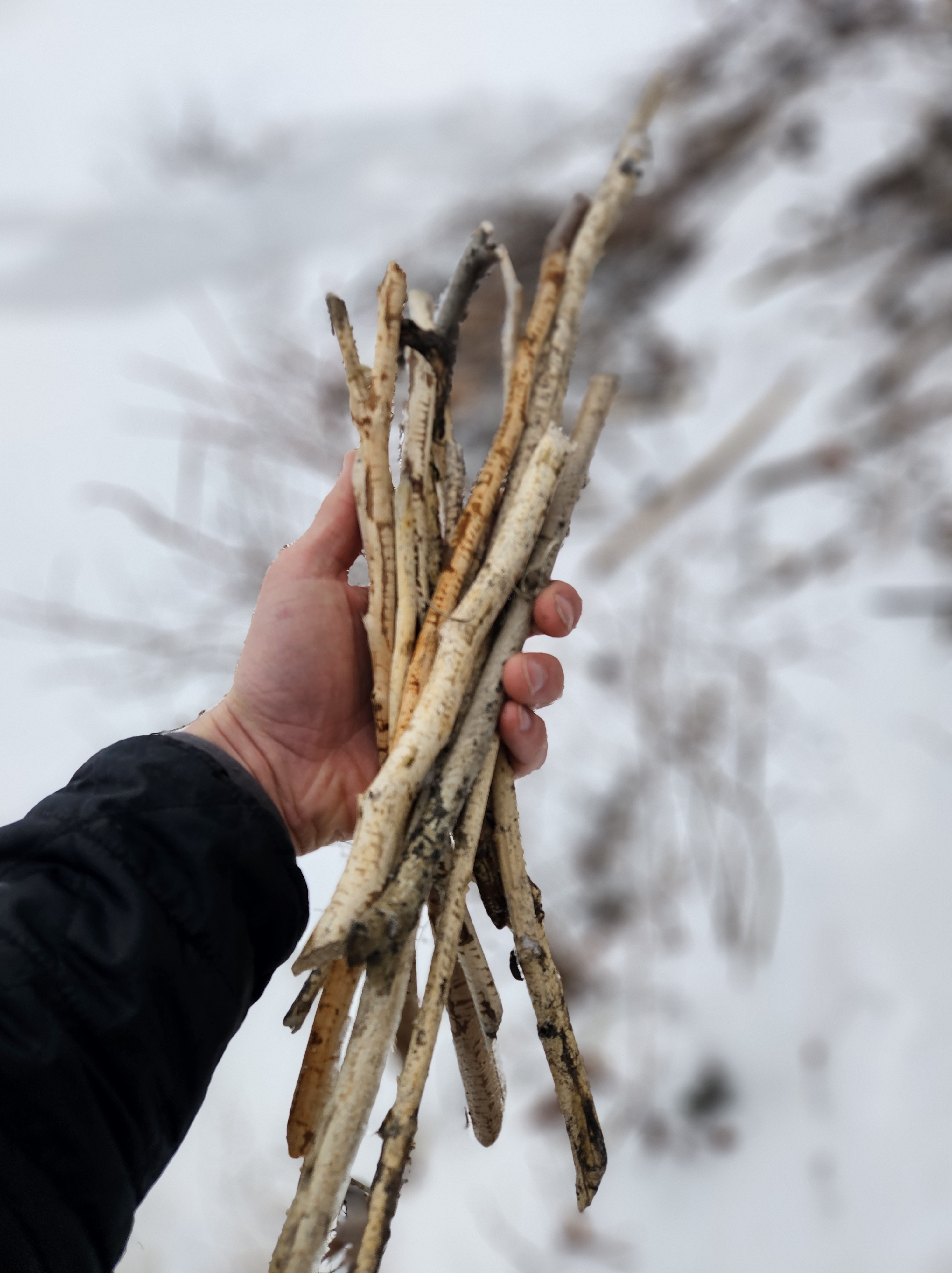
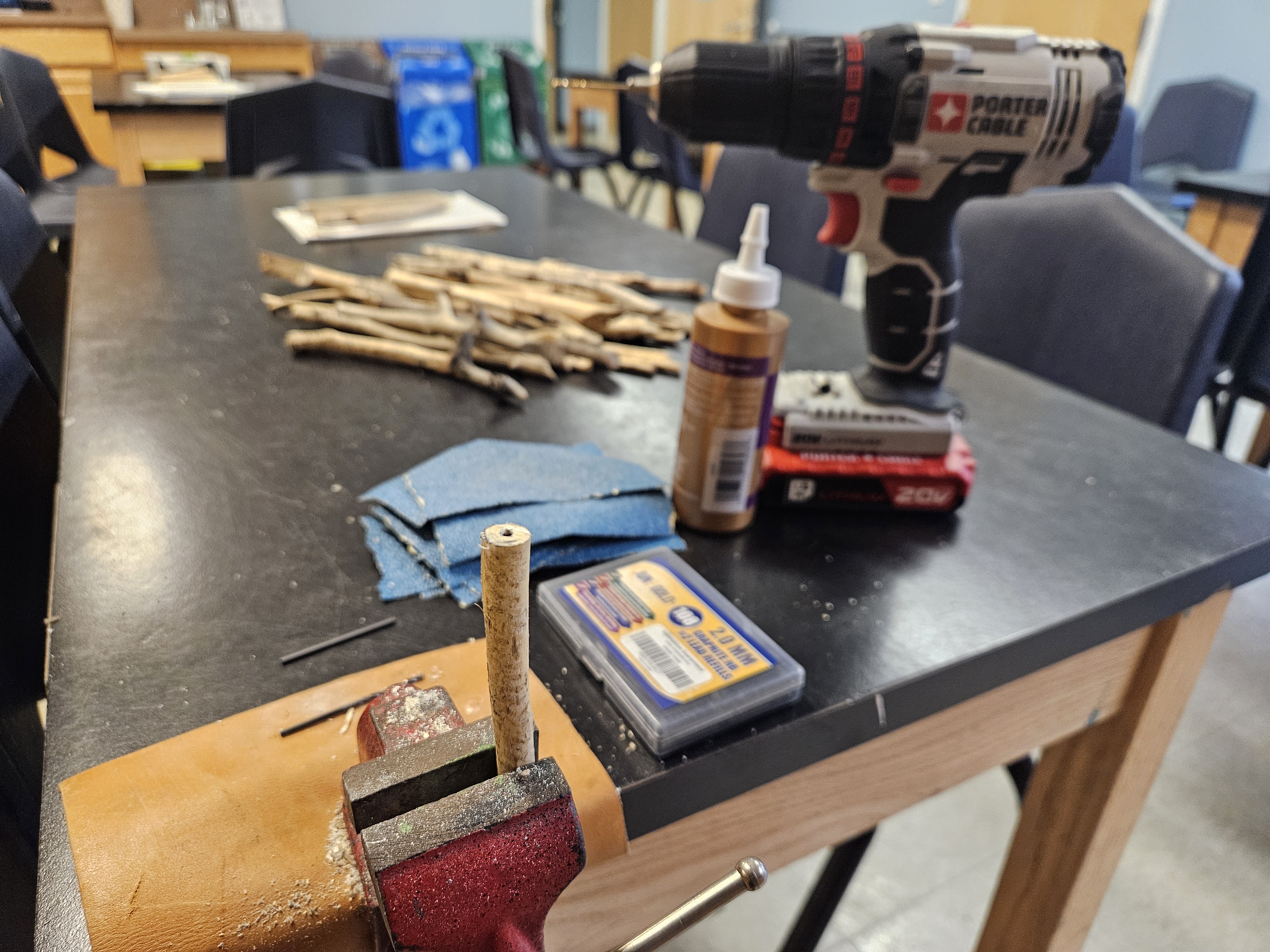
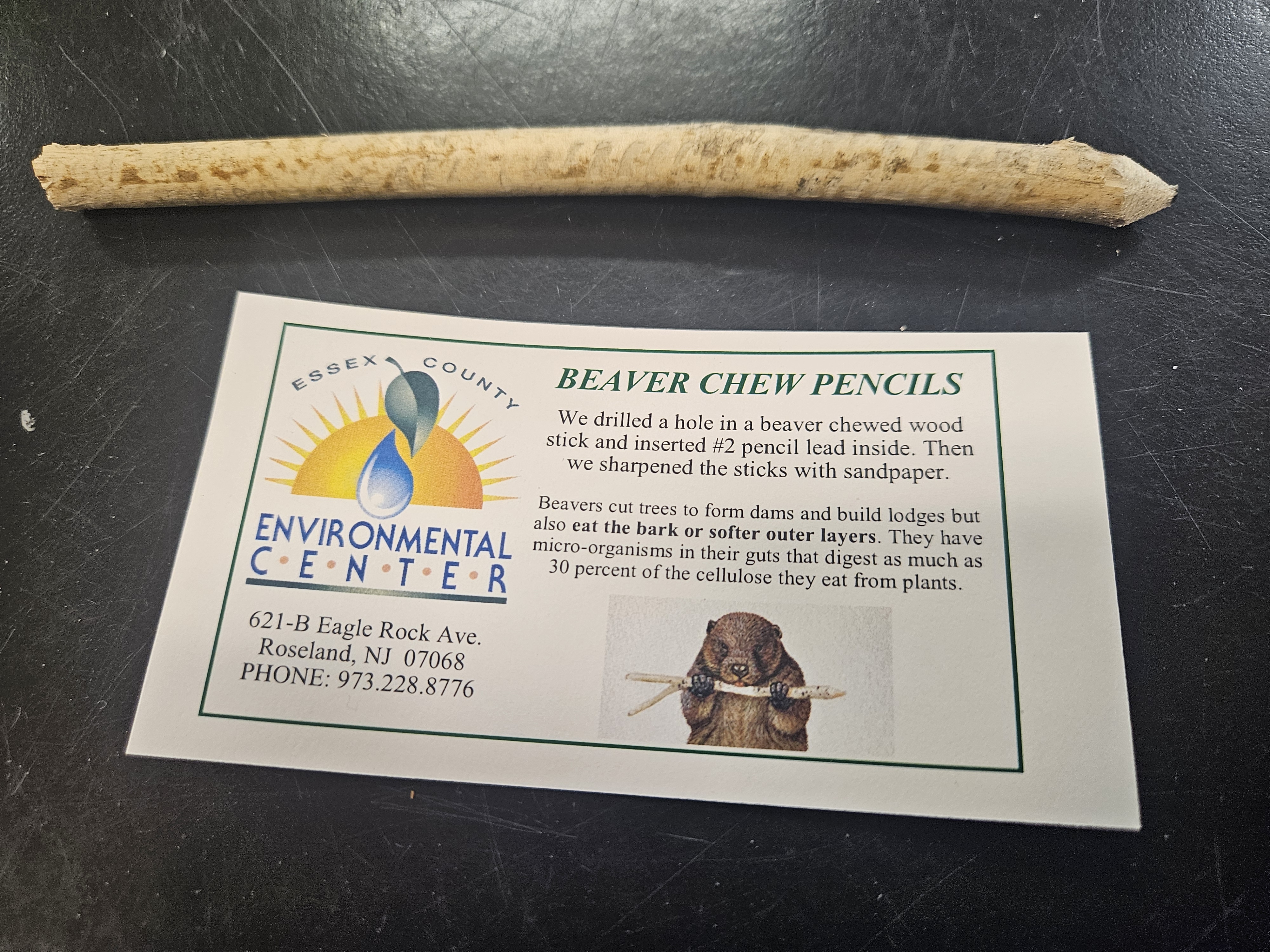
- We placed our collected beaver chew sticks in a bench vice to cut the end flat, then used a drill to slowly make a 3/32″” bit hole about 2″ deep. Don’t worry about making the hole the full length of the pencil, focus on the process not the product for this activity. You can take your time clearing out the hole with a longer drill bit and using a longer piece of lead but it adds more time and requires a lot more patience for a group of kids with minimal added value to their experience.
- Use you finger to apply a touch of glue to the hole opening and then slide in a 2″ piece of #2 pencil graphite lead. Gently tap it on a table to push it in further if necessary.
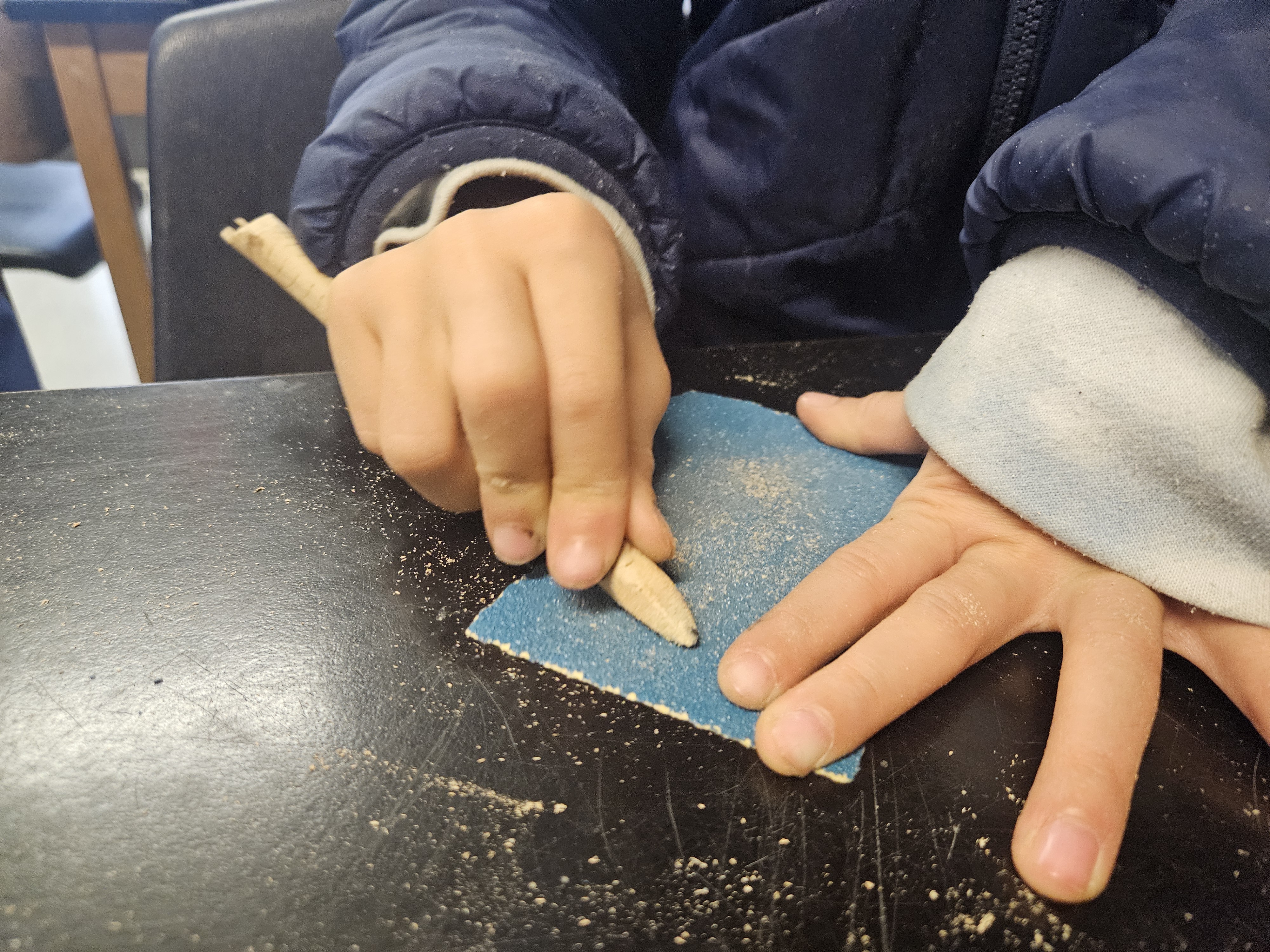
- Have the kids use small pieces of around 100 grit sandpaper to sharpen the pencils.
- Provide some drawing paper so they can use them as they wait for others to complete the project. This works wonderfully as a “do now” activity at a camp or club as the kids enter a program and immediately engage in project based learning. Additional environmental education about beavers will ensue.
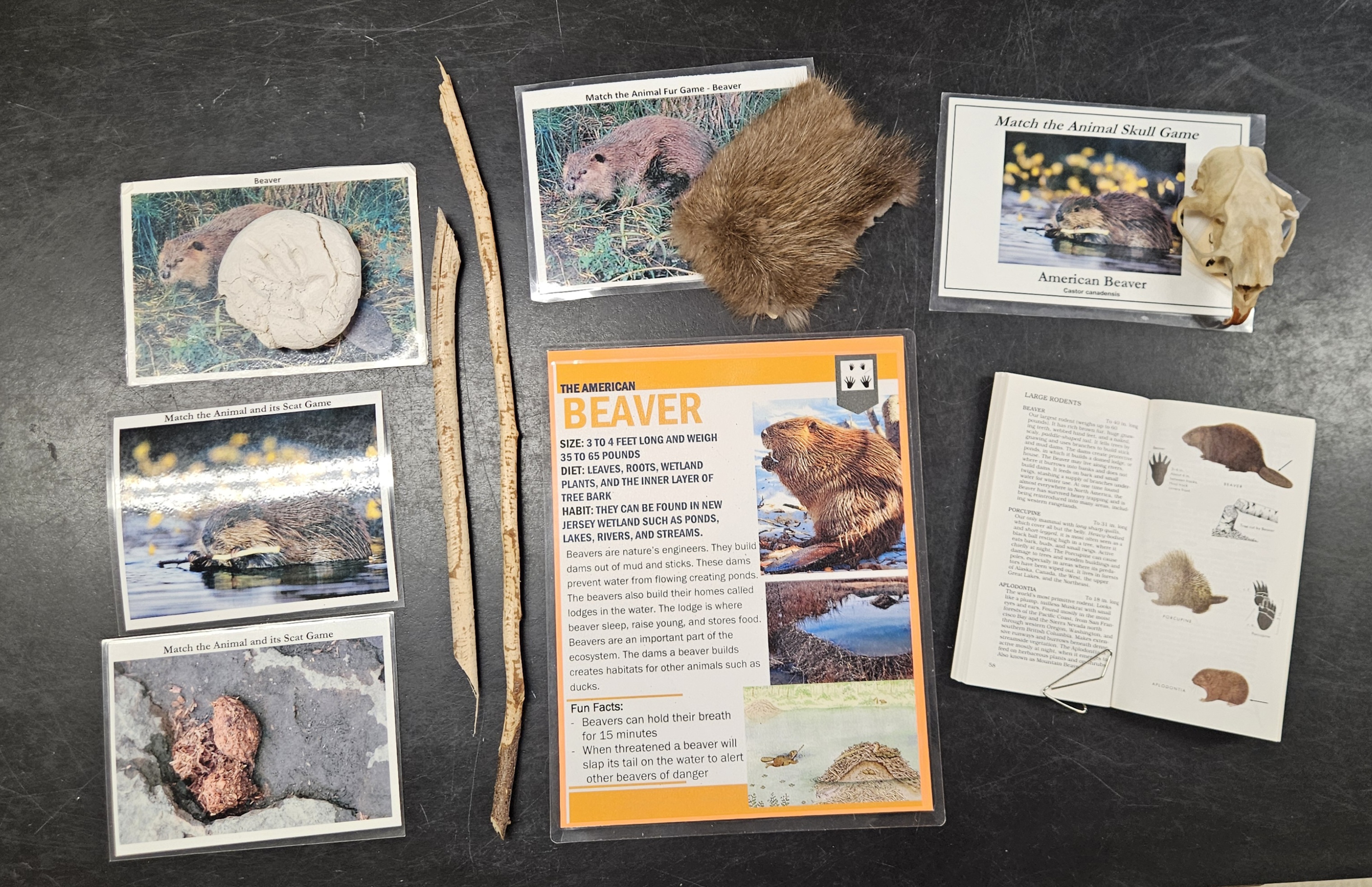
Here are 10 facts about beavers:
- Semi-aquatic rodents: Beavers are large rodents that live in or near water.
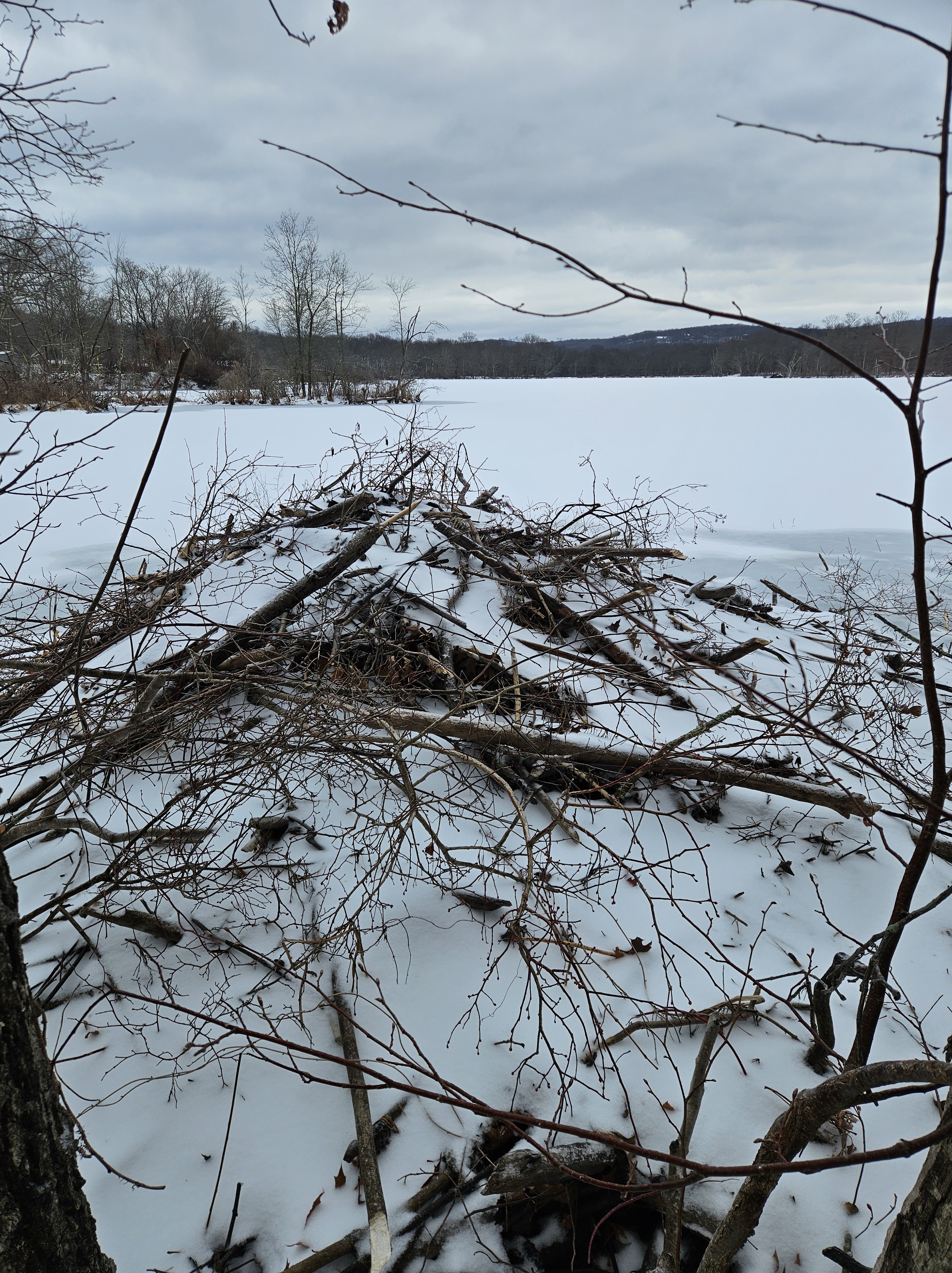
- Dam builders: Beavers build dams to create deep pools of water where they build their lodges.
- Expert swimmers: Beavers are strong swimmers that can stay underwater for up to 15 minutes.
- Orange teeth: Beavers have orange teeth due to iron in their enamel, which makes their teeth strong enough to gnaw through wood.
- Nocturnal: Beavers are mostly active at night, when they fell trees and cut branches.
- Waterproof fur: Beavers have thick, waterproof fur to keep them warm in the water.
- Transparent eyelids: Beavers have transparent eyelids to protect their eyes underwater and help them navigate.
- Herbivores: Beavers eat plants, including tree bark, leaves, twigs, grasses, and herbs.
- Beneficial to waterways: Beavers help control water flow, which can help restore waterways and reduce the risk of flooding.
- Habitat destruction: Beavers can impact the land around them by burrowing and felling trees.
David Alexander is a professional outdoor guide and conservation biologist. He enjoys making nature more accessible to people and wildlife. You can follow him at www.natureintoaction.com
 Nature Into Action